
When I walk the floor at Independent Gaming Pty Ltd, I’m watching the same thing regulators are watching: whether the numbers behind every spin and deal actually hold up under scrutiny. Casino RNG testing explained properly takes that mystery out of the equation and shows you what operators must prove before a single game goes live. It’s not about chasing luck; it’s about verifying that the mathematics governing outcomes match what’s advertised, every single time.
What the Testing Process Actually Covers
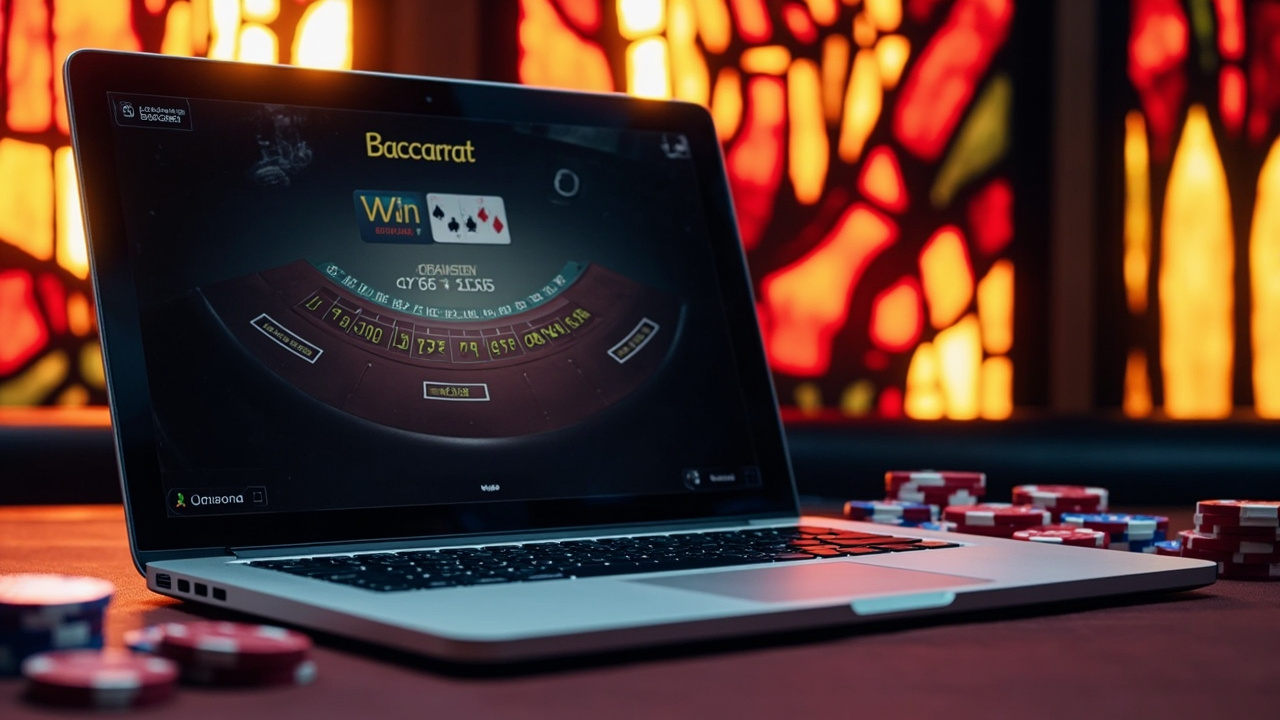
Random number generation sits at the centre of every digital table game and slot, and the testing regime around it is deliberately unglamorous. Independent labs run the software through millions of simulated rounds, checking that the output distribution matches the published return-to-player figures and that the seed values don’t cycle in predictable patterns. We treat this as a licence to operate, not a box-ticking exercise.
When I compare the paperwork stack here with what I’ve seen in the UK, the difference is in the cadence. Overseas regulators often rely on a single pre-launch certificate, then check in periodically. Down Under, the expectation is tighter: continuous monitoring, documented change logs for every game update, and a clear audit trail that a compliance officer can follow without calling the supplier’s technical team at 2am. That’s the standard I hold our commercial agreements to.
The same rigour applies to how games behave on the floor. Volatility (or variance) describes how often and how big a slot pays out, and testers verify that the programmed variance actually shows up across extended sample sizes rather than just in the headline RTP number. If a provider can’t demonstrate that consistency, the game doesn’t make it past our supplier review.
This means a title like the legacy of dead must prove it delivers the promised excitement over thousands of spins, not just in theory. Independent testing labs track these fluctuations to ensure the mathematical model aligns with the live player experience. For a deeper look at how these volatility metrics translate to real gameplay, you can visit https://legacy-of-dead-slot-au.com/.
How Auditors Verify the Numbers
Sample size and statistical thresholds
Auditors don’t take a provider’s word that a game is fair; they run it until the data settles. The standard approach is to simulate hundreds of millions of spins or hands, then measure the observed frequency against the expected probability within a tight confidence band. If the deviation drifts outside that band, the certificate stalls.
We’ve walked away from deals where a supplier couldn’t produce a clean run at scale. The maths doesn’t care about a polished demo; it cares about whether the engine holds its shape when pushed hard. That’s the judgement call I make before we sign off on a new title.
Software independence and lab accreditation
The lab itself has to be independent of the operator and the developer, with no commercial stake in whether a game passes. Accreditation matters because it means the lab’s methodology, staffing, and reporting standards have been checked by a recognised oversight body.

I’ve seen operators try to lean on in-house testing reports and call it good enough. It isn’t. When you’re balancing commercial rollout against regulatory exposure, you want a third party whose reputation depends on saying no as often as it says yes. That’s how you keep the house standing.
Ongoing monitoring after launch
A certificate on day one doesn’t cover what happens six months later. Good operators track live performance data, watch for rounding anomalies, and re-test whenever the game code, paytable, or bonus rules change. The documentation has to be timestamped and traceable.
That’s also where table etiquette and game design intersect with the maths. Touching another player’s shoulder during a hand is frowned upon at some tables, and the same discipline applies to the software: no unexpected nudges, no hidden rule changes, no re-seeding that shifts the odds mid-session. Casinos counter counters with more decks, deeper cut cards and shuffling machines, and the digital equivalent is a tested, locked engine that doesn’t quietly drift.
Who This Matters For on the Floor
If you’re playing on a licensed Australian site, RNG testing explained is the reason the screen in front of you isn’t just a pretty interface with a promise attached. It’s the layer that backs the published game info, the payout tables, and the bonus mechanics you actually see before you commit. You’re not relying on faith; you’re relying on a documented check that the game does what it claims.
For regular players, that means you can focus on the session itself instead of second-guessing the underlying engine. The practical fit is straightforward: pick titles from providers that publish their test certificates, check the volatility and return figures that match your bankroll tolerance, and treat bonus terms as what they are – conditions, not guarantees. No worries, the maths is already doing its job if the operator has done theirs.
Playing at a Perth venue or logging on from a suburban lounge doesn’t change the standard. The same testing expectations apply whether you’re at a local table or spinning from the couch in your arvo break. What changes is how clearly the operator presents the proof, and whether they’re willing to point you to the certificate before you put money in.
If you’re comparing options, look for a clear licence displayed in the footer, a published RTP and variance for each game, and a support team that can actually direct you to the lab report when you ask. That’s the everyday usability that separates a properly run operation from one that’s just loud about its games. The fit comes down to transparency, not hype.
The short version is that RNG testing explained is the quiet infrastructure behind every fair session, and it’s worth paying attention to before you play. When the testing is done properly, you can spend your time on the game itself instead of worrying about whether the numbers are real.


